

Technology and health have always had a complex relationship, with advancements in one often leading to improvements in the other. From wearable fitness trackers to telemedicine, technology has become deeply ingrained in the healthcare industry, revolutionizing the way we approach healthcare and wellness.
The Impact of Wearable Technology
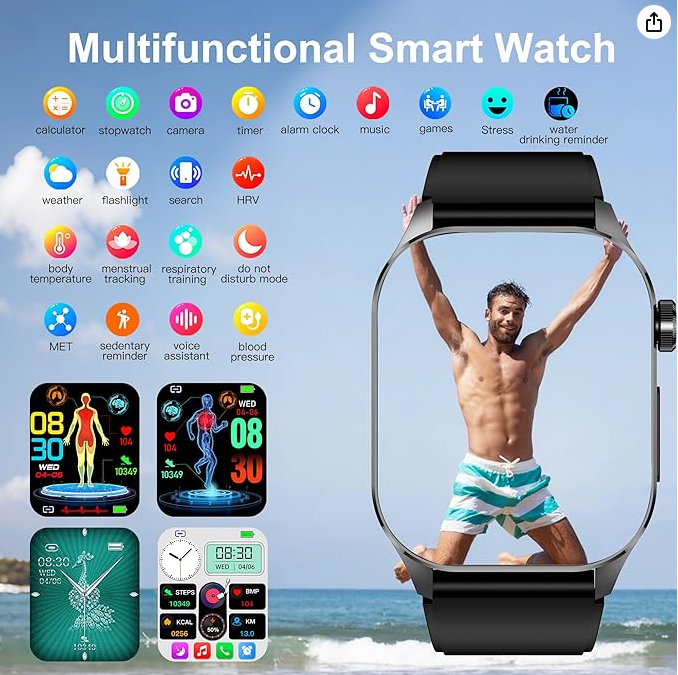 Advanced Health Smartwatch for Women Men with Real-Time Monitoring of Heart rate
Wearable technology, such as fitness trackers and smartwatches, have become increasingly popular in recent years. These devices allow users to track their physical activity, monitor their heart rate, and even receive notifications about their health. By providing real-time data, wearable technology has empowered individuals to take control of their health and make informed decisions about their well-being.
Telemedicine and Remote Healthcare
Telemedicine has emerged as a convenient and cost-effective way for patients to receive medical care without having to visit a doctor’s office. Through video consultations and remote monitoring, patients can receive timely care from the comfort of their own homes. This technology has been especially valuable during the COVID-19 pandemic, allowing clinicians to safely provide care to patients while minimizing the risk of exposure.
Electronic Health Records
Electronic health records (EHRs) have revolutionized the way healthcare providers manage patient information. By digitizing medical records, EHRs have improved communication between healthcare providers and streamlined the process of accessing patient data. This technology has led to more efficient care delivery and improved patient outcomes.
Artificial Intelligence and Machine Learning
Artificial intelligence (AI) and machine learning have the potential to transform healthcare by analyzing vast amounts of data to identify patterns and make predictions. AI-powered tools can assist clinicians in diagnosing diseases, developing treatment plans, and predicting patient outcomes. This technology has the potential to revolutionize personalized medicine and improve patient care.
Virtual Reality and Rehabilitation
Virtual reality (VR) has been used in healthcare for various purposes, including pain management, surgical training, and rehabilitation. By immersing patients in virtual environments, VR technology can help alleviate pain, improve motor function, and enhance the rehabilitation process. Virtual reality has the potential to revolutionize the way we approach healthcare and improve patient outcomes.
The Future of Technology and Health
 Lenovo IdeaPad Slim 5 | 14 inch WUXGA Laptop | Intel Core i7-13620H | 24 GB RAM | 1 TB SSD | Windows 11 Home | Cosmic Blue
As technology continues to evolve, its impact on healthcare will only continue to grow. From wearable devices to artificial intelligence, technology has the potential to revolutionize the way we approach healthcare and improve patient outcomes. By embracing these advancements and leveraging technology to its fullest potential, we can create a healthier and more connected society.
